
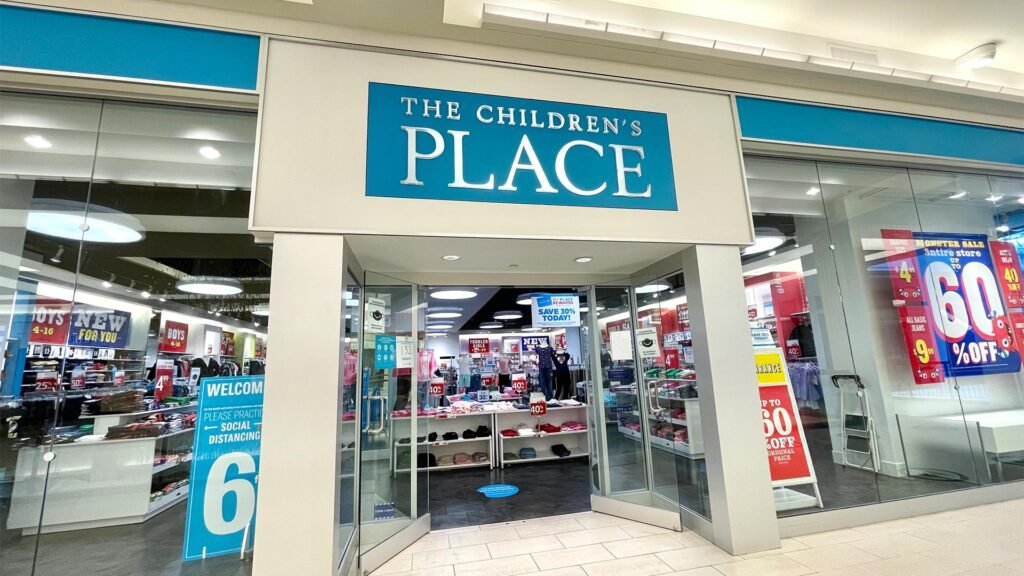
Quick answer: When The Children’s Place rejects a store lease, the landlord’s claim for future rent is capped at the greater of one year of rent or 15 percent of the rent for the remaining term, not to exceed three years, plus unpaid rent due before the November 8, 2026 filing. The capped claim is a general unsecured claim. Rent for the period after the filing and before rejection is a separate, higher-priority claim. Landlords should calculate both now and file on time.
Why landlords should run the numbers now
The Children’s Place, Inc. and 13 affiliates filed Chapter 11 on November 8, 2026 in the U.S. Bankruptcy Court for the District of New Jersey, Case No. 26-22682 (SLM). The company reported more than 500 stores in North America and is selling substantially all of its assets, with bids due December 9, 2026. A going-concern buyer will likely take only some of the leases, and a liquidator may take none. Many landlords will receive rejection notices in the coming months.
Knowing what your claim is worth affects decisions you make now, including whether to object to a sale, negotiate a lease amendment with a buyer, or agree to an early surrender.
Before rejection: what you are still owed
Until a lease is rejected, the company must timely pay rent and other charges that come due under the lease after the filing. Unpaid post-petition rent is an administrative claim with priority over general unsecured claims. That includes rent for the part of November after the filing date if it was not paid, which landlords often call stub rent, as well as any year-end reconciliation charges billed after the filing. If your lease is instead assumed and assigned to a buyer, you will receive a cure notice listing what the company says it owes, and you should check it carefully.
How the rejection damages cap works
Section 502(b)(6) of the Bankruptcy Code limits a landlord’s claim for damages from the termination of a lease to two pieces:
- The rent reserved for the greater of one year, or 15 percent (not to exceed three years) of the remaining term, measured from the earlier of the filing date or the date the landlord repossessed or the tenant surrendered the premises.
- Unpaid rent due under the lease, without acceleration, as of that same date.
Courts differ on whether the 15 percent is measured by time remaining or by total rent remaining. For a lease with level rent, the result is usually the same.
Example 1: five years left
A store pays $10,000 per month, or $120,000 per year, with five years remaining. Fifteen percent of the remaining rent of $600,000 is $90,000. One year of rent is $120,000, which is greater, so the future rent component is capped at $120,000. Add any unpaid rent due before the filing.
Example 2: ten years left
The same store has ten years remaining. Fifteen percent of the remaining rent of $1,200,000 is $180,000. That exceeds one year of rent and is less than three years of rent, so the future rent component is capped at $180,000, plus unpaid pre-filing rent.
Whether common area maintenance charges, taxes, and insurance count as rent reserved depends on the lease and the court. Fixed, regularly recurring charges the lease treats as rent are the strongest candidates.
Security deposits, letters of credit, and guaranties
Courts commonly apply a security deposit against the capped claim rather than on top of it, and many treat letter of credit draws the same way. Draw on a letter of credit only after checking whether the draw is permitted and how it will affect your claim.
Guaranties need a closer look. If the guarantor is a non-debtor, your claim against it is generally governed by the guaranty and state law. If the guarantor is the parent or another affiliate that is also a debtor in this case, which is common in retail chains, the claim against that guarantor is generally subject to the same cap.
When rejection takes effect
Rejection orders in retail cases often make rejection effective as of the date the company surrendered the keys and vacated, which can be earlier than the order itself. If the company has not actually turned over the premises, object to an effective date that would cut off post-petition rent you are owed. Read the order for provisions on abandoned furniture, fixtures, and equipment, which usually become yours to remove or dispose of.
Filing the claim
The court will set a general bar date, and rejection damages usually have their own deadline, often 30 days after the rejection order or the general bar date, whichever is later. File against the debtor entity that is the tenant under the lease, and against any debtor guarantor. Attach the lease, a rent ledger, and your cap calculation. File any unpaid post-petition rent separately as an administrative claim.
How Bankruptcy Attorney Co. helps landlords
We represent commercial landlords in retail bankruptcies. As a New Jersey bankruptcy attorney team that also practices in Delaware and Pennsylvania, we appear in the court where this case is pending. We calculate rejection and administrative claims, object to cure amounts and rejection effective dates, negotiate with buyers seeking lease assignments, and file proofs of claim.
If you lease space to The Children’s Place or Gymboree, call us at (856) 880-1010 or use the contact form on this page.
Frequently Asked Questions
How much can a landlord claim if The Children’s Place rejects its lease?
The claim for future rent is capped at the greater of one year of rent or 15 percent of the rent for the remaining term, not to exceed three years, plus unpaid rent due before the filing. The capped claim is a general unsecured claim.
Is post-petition rent included in the rejection damages cap?
No. Rent that comes due after the November 8, 2026 filing and before rejection is a separate administrative claim with higher priority than the capped rejection claim.
Does a security deposit reduce the landlord’s rejection claim?
Courts commonly apply a security deposit against the capped claim rather than allowing it on top of the cap, and many treat letter of credit draws the same way.
Is a landlord’s claim against a parent guarantor also capped?
If the guarantor is also a debtor in the bankruptcy, the claim against it is generally subject to the same cap. A claim against a non-debtor guarantor is generally governed by the guaranty and state law.
When is the deadline to file a lease rejection claim?
Rejection damage claims usually have their own deadline set by the court, often 30 days after the rejection order or the general bar date, whichever is later. Check the rejection order and bar date notice.
About the Author
Jenny R. Kasen is the founding attorney of Bankruptcy Attorney Co., a boutique bankruptcy firm with offices in Wilmington, Delaware and Cherry Hill, New Jersey. She represents creditors and debtors before the U.S. Bankruptcy Courts for the District of Delaware, the District of New Jersey, the Eastern District of Pennsylvania, and the Southern District of Florida. Her practice includes creditor-side work in large Chapter 11 cases, preference and adversary proceeding defense, and Chapter 7, 11, 13, and Subchapter V cases.
Disclaimer: This article provides general information about The Children’s Place, Inc. Chapter 11 case as it stood on November 9, 2026. It is not legal advice, and reading it does not create an attorney-client relationship. Court orders, deadlines, and the sale timeline can change quickly, so confirm current dates on the court docket or the claims agent’s case website, and speak with a lawyer about your specific situation. Attorney Advertising.